Guests decide how they feel about a property before they reach the front desk. That decision usually happens at the curb, in the hands of whoever checks in their car. Valet impact on guest experience is not a soft metric. It shows up directly in reviews, repeat visits, and how a property gets talked about afterward.
This guide covers what shapes valet guest experience, where most operations lose guests without noticing, and the two tools that fix the biggest gaps fast: a valet opening checklist and a valet shift checklist. Both are included below as a free download, along with the numbers worth tracking once they are in place and a set of frequently asked questions from operators evaluating their own setup.
Why Valet Decides How a Visit Gets Remembered
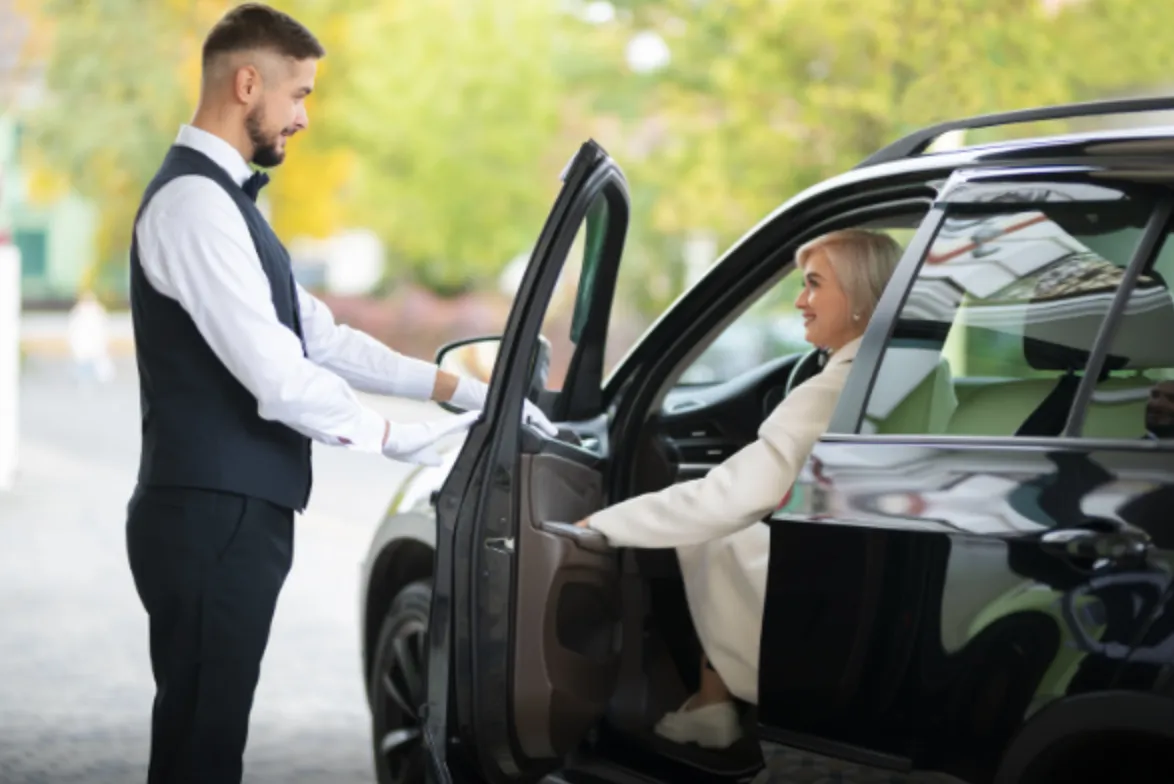
Valet sits at both ends of a guest's visit. It is the arrival and the departure, the two moments people remember longest. A slow, confusing check-in colors everything that follows, even a great meal or a comfortable stay. A smooth one buys goodwill that carries through the whole visit.
The reverse holds at departure too. A guest who waits eight minutes for a car with zero updates remembers that wait longer than the meal itself. Valet is a small team with an outsized effect on how a property gets remembered and reviewed.
What Actually Shapes Valet Guest Experience
Hospitality Impact
For hotels, resorts, and restaurants, valet is often the first and last guest touchpoint. A smooth arrival can set the tone for the visit, while a frustrating departure can become the final memory of the property.
The impact goes beyond parking. Clear communication, shorter waits, and professional vehicle handling can make guests feel better cared for throughout their experience. For hospitality teams, treating valet as part of the overall guest journey can help create a more consistent service experience from curb to checkout. This is especially important for hotels and hospitality properties, where every guest interaction contributes to the perception of the property.
Check-in Speed
Guests do not want to feel rushed, but they notice delay immediately. A fast, accurate check-in that captures plate, make, model, and vehicle condition in seconds sets a positive tone before the visit even starts. A check-in that drags on, whether from a fumbled paper stub or a runner juggling three cars, does the opposite.

Visibility During the Wait
Uncertainty is worse than waiting itself. A guest who can see their car is two minutes out tolerates the wait. Letting guests track retrieval status in real time, from the lobby, the restaurant table, or their room, removes the single biggest source of valet complaints: not knowing what is happening.
Vehicle Handling
Damage disputes erode trust fast, even minor ones. A quick condition check at drop-off, done where the guest can see it, protects the guest and the team if a question comes up at pickup.
Consistency Across Shifts
The best valet experience is a predictable one. If the morning team is sharp and the evening team is careless, guests notice the gap within a single stay. Consistency does not come from hiring alone. It comes from a shared standard every shift follows, whether or not the same runners are working it.
What the Data Shows
Operators who move valet off paper and onto a tracked, digital workflow consistently report faster retrieval, fewer complaints, and more repeat visits. Properties that give guests live status updates and let them request their car ahead of arrival at the curb have cut retrieval times by as much as 60 percent, while lifting average guest ratings and repeat-visit rates in the process. The pattern holds across hotels, restaurants, and event venues: guests do not need a five-star property to feel like their visit was handled well. They need to not be left wondering where their car is.
Where Valet Guest Experience Actually Breaks Down
Ask any valet manager where complaints come from, and a pattern shows up fast:
- No one confirmed the stand was set up before the first car arrived
- A ticket went missing, and retrieval stalled while someone walked the lot
- A new hire was never walked through the property's specific process
- One shift ran differently than the next because nothing was written down
- Guests had no way to check status and kept walking up to ask
None of these are staffing problems. They are process gaps, and the cheapest way to close them is a checklist your whole team actually uses.