Valet Damage Claim Process: How to Handle Disputes and Protect Your Operation
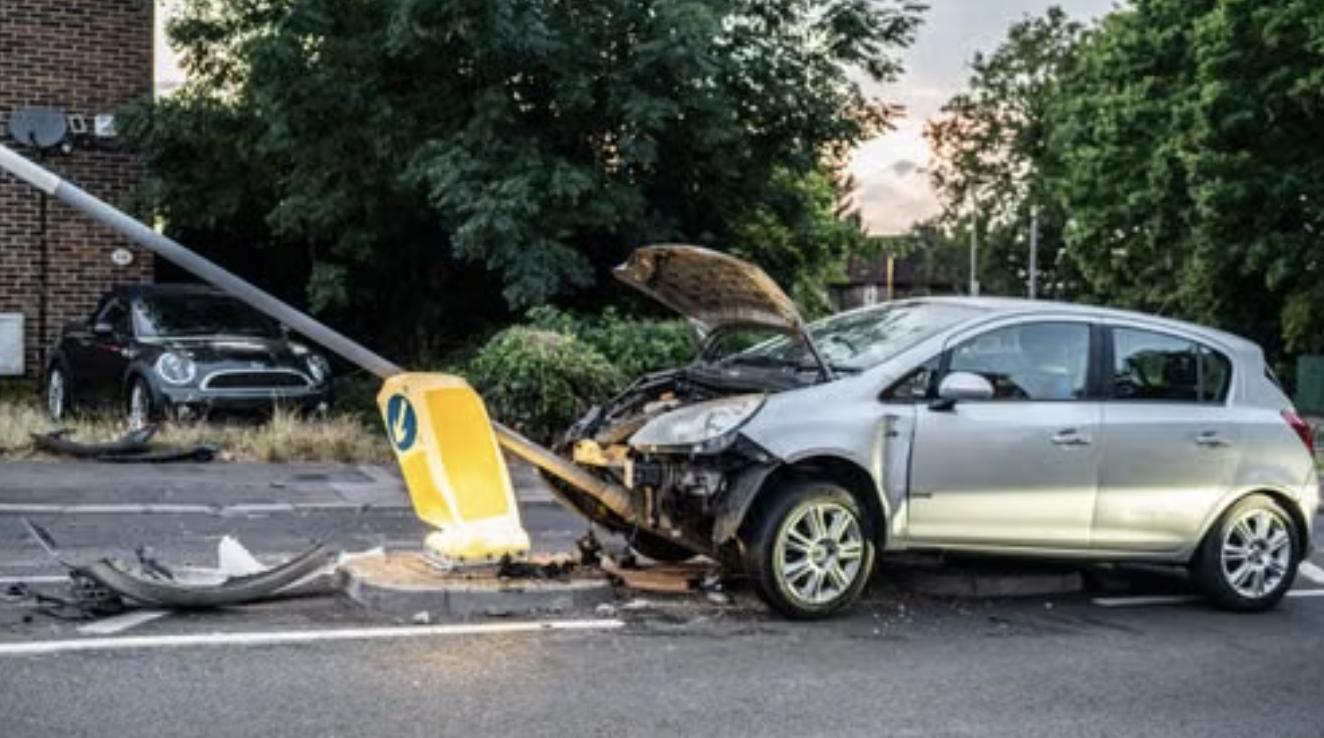
A guest retrieves their vehicle and points to a scratch. Your runner has no memory of it. You have no photo from check-in. The guest is certain the damage happened during valet.
This is the most common, most expensive, and most avoidable situation in valet operations.
How you handle the next five minutes determines whether this resolves quickly or escalates into an insurance claim, a bad review, and a conversation with your legal team.
This guide covers the full valet damage claim process: how to prevent disputes before they start, how to respond when a claim is made, how valet parking liability and insurance work, and what documentation you need to protect the operation long term.
Why Valet Damage Claims Are So Common
Valet operations handle vehicles in tight spaces, under time pressure, with staff who are managing multiple cars simultaneously. Contact happens.
The problem is not that damage occurs. The problem is that most valet operations have no reliable system for documenting what a vehicle looked like at arrival. When a guest points to a scratch, there is no check-in record to reference. The dispute becomes a negotiation with no evidence on either side.
Three factors make this worse:
Paper ticket systems capture nothing about vehicle condition. A timestamp on a stub does not tell you whether a scratch existed before the car arrived. Understanding the operational differences in ticketless valet vs paper tickets shows how digital logs automatically track every touchpoint to protect your business against false claims.
Even when runners are trained to inspect vehicles, the inspection varies by runner and shift. Some are thorough. Others skip it under pressure. The inconsistency means your documentation is only as reliable as the least careful runner on the team.
A runner who notices minor contact during parking often does not report it immediately, hoping it will go unnoticed. By the time the guest identifies the damage, the opportunity to document and manage the situation has passed.
Step 1: Prevent Most Disputes at Check-In
The valet damage claim process starts before any damage occurs. The documentation you create at check-in is what determines whether a future dispute resolves in your favor or costs you money.
Photo Documentation at Every Check-In
One to four photos taken at check-in, before the vehicle moves, are the only reliable protection against spurious damage claims.
The photos need to be:
Taken before the vehicle moves from its drop-off position
Timestamped automatically by the system
Linked to the specific vehicle record and runner
Stored in a format that is exportable and retrievable on demand
A photo taken on a personal phone and uploaded later does not meet this standard. The timestamp can be questioned, and the chain of custody is unclear. Photos need to be captured through a dedicated digital check-in system at the moment of check-in.
Standardized Inspection Before Every Vehicle Moves
Train runners to inspect all four sides of every vehicle before driving it. The inspection should cover:
Front and rear bumpers
Both sides of the vehicle at door panel height
Wheels and wheel arches
Any pre-existing visible damage noted in the vehicle record
Pre-existing damage found at inspection should be photographed specifically and noted in the record. If the damage is significant, the guest should be informed before they leave the stand so there is no dispute about when you knew.
Tie Every Check-In to a Runner, a Time, and a Spot
A photo on its own answers what the vehicle looked like. It does not answer who handled it or where it went. For high-value vehicles in particular, the check-in record needs to carry the runner's identity from their app login, the arrival timestamp, and the parking spot recorded when the vehicle is put away.
That turns a single photo into a chain: this runner, at this time, took this vehicle in this condition, and parked it in this spot. Each of those facts is one you can produce on demand, and together they narrow the window in which the damage could have occurred to something you can actually account for.
Step 2: Respond Correctly in the First Five Minutes
When a guest points to damage at retrieval, the first five minutes determine how the situation develops. Most valet damage disputes escalate because of how they are handled in those first minutes, not because of the damage itself.
What to Do Immediately
Do not argue. A defensive response from a runner makes the guest more certain the damage happened during valet and escalates the situation before a manager is involved.
Do not admit liability. A runner saying "I'm so sorry, we must have done that" creates an admission before anyone has reviewed the check-in record. Train runners to express concern without accepting fault.
Pull the check-in record immediately. The manager should access the vehicle record and check-in photos within two minutes of the claim being made. This is the most important step in the process.
Show the guest the check-in documentation. If the photos show the scratch or mark was present at arrival, show the guest calmly and factually. Most guests who see clear photographic evidence of pre-existing damage accept it without further escalation.
If the damage is new, acknowledge it professionally. If the photos confirm the damage was not present at check-in, the claim is legitimate. Acknowledge it, take the guest's contact information, and initiate the insurance process. Do not try to negotiate a cash settlement at the stand.
Step 3: Document the Claim Formally
Whether the damage claim is legitimate or disputed, create a formal incident record immediately after the interaction.
The incident record should include:
Date, time, and location of the incident
Vehicle details: make, model, color, plate number
Guest contact information
Description of the claimed damage and its location on the vehicle
Check-in photos and any post-retrieval photos of the damage
Runner name and runner's account of the parking and retrieval process
Name of the manager who handled the initial response
Any witnesses
This record serves two purposes. If the claim proceeds to insurance, it is the primary document your insurer will use to assess the claim. If the guest disputes your finding that the damage was pre-existing, it is your evidence in any subsequent legal or arbitration process.
Understanding Valet Parking Liability
Valet parking liability is governed by the concept of bailment. When a guest hands keys to a valet runner, they are creating a bailment relationship: the valet operator takes custody of the vehicle and assumes a duty of care for it.
What Bailment Means in Practice
The valet operator is responsible for returning the vehicle in the same condition it was received. If the vehicle is damaged while in the operator's custody, the operator is liable for the damage unless they can demonstrate:
The damage was pre-existing at the time of check-in
The damage resulted from circumstances outside the operator's control
The operator exercised the required standard of care
This is why check-in documentation is not optional. Without evidence of the vehicle's condition at arrival, the operator has no way to demonstrate that damage was pre-existing.
Where Liability Ends
Valet parking liability does not cover items left in the vehicle unless the operator was given specific notice of valuable items and assumed responsibility for them. It also typically does not cover mechanical failures that occur during normal driving, although the specific terms depend on jurisdiction and the operator's insurance policy.
Limiting Liability Through Clear Communication
Some operators include liability limitation language on valet tickets or signage. While this does not eliminate liability, it can limit the scope of claims in some jurisdictions. Consult a legal advisor familiar with parking liability in your specific market before relying on limitation clauses.
Valet Parking Insurance: What Coverage You Need
Valet parking insurance is distinct from general liability coverage and specifically addresses the risks of handling third-party vehicles.
Garage Keepers Liability Insurance
This is the primary policy for valet operators. It covers damage to vehicles in the operator's care, custody, or control. Without it, a legitimate damage claim comes directly out of the operation's pocket.
Key coverage considerations:
Per-occurrence limit. The maximum the policy pays for any single incident. A high-value vehicle claim can easily exceed a low per-occurrence limit.
Aggregate limit. The total the policy pays across all claims in a policy period. Operations with high vehicle volume need adequate aggregate coverage.
Deductible. The amount the operator pays before coverage kicks in. A high deductible reduces premiums but increases out-of-pocket cost on frequent small claims.
What most venues require from valet operators:
Most corporate offices, hotels, and hospitals require valet service providers to carry a minimum of USD 1 million per occurrence in Garage Keepers Liability coverage. Many enterprise venues require USD 2 million or more and ask for a certificate of insurance before signing a contract.
General Liability Insurance
Covers bodily injury and property damage not related to vehicle damage. A guest who trips on a traffic cone, a runner who opens a car door into a pedestrian: these situations fall under general liability, not Garage Keepers.
Workers Compensation
Required in most jurisdictions for any operation with employees. Runners are physically active workers in a vehicle-heavy environment. Workers' compensation is not optional.
Keeping a Clear Audit Trail
A defensible audit trail for valet damage claims is not just about having photos. It is about having a chain of evidence that holds up when questioned.
A complete audit trail includes:
Timestamped check-in photos linked to the vehicle record
Runner identity confirmed at check-in through app login
Zone assigned at check-in and the parking spot recorded when the vehicle is parked
Retrieval request timestamp from the SMS system
Retrieval completion timestamp
Any incidents reported by the runner during the parking or retrieval process
Formal incident record if a claim is made
This trail answers every question a guest, insurer, or legal representative might ask: who handled the vehicle, when, where it was parked, what it looked like at arrival, and when it was returned.
On a paper-based system, building this trail is nearly impossible. Paper tickets capture the vehicle description and a stub number. Nothing else.
On a digital valet system, the audit trail is created automatically as part of the normal operational workflow. Every step above is logged without additional effort from the runner or manager.
Common Mistakes in Handling Valet Damage Claims
These are the errors that turn manageable situations into expensive ones.
Settling without checking documentation. Offering a cash settlement at the stand before reviewing the check-in record means paying claims that the documentation would have disproved. Always review the record first.
Runners handling claims without manager involvement. A runner who tries to manage a damage claim independently will almost always say something that creates liability. Every claim should involve a manager within two minutes of being raised.
Incomplete incident records. An incident record that is missing the runner's account, the guest's contact information, or the post-retrieval photos of the damage is significantly weaker in an insurance or legal process.
Not notifying the insurer promptly. Most Garage Keepers policies require prompt notification of potential claims. Waiting to see whether the guest follows up can void coverage for that incident.
No photo documentation at check-in. This is the root cause of most expensive valet damage disputes. Every other step in the process is easier when there is a clear photo record of the vehicle's condition at arrival.
The Difference Documentation Makes
An operation that photographs every vehicle at check-in, logs every runner assignment, and maintains a complete digital audit trail handles damage claims in minutes, not days.
The guest points to a scratch. The manager opens the check-in record on the dashboard. The photos show the scratch was present at arrival. The guest sees the evidence. The situation is resolved before it becomes a dispute.
That outcome is available to any operation that builds documentation into the check-in workflow. It requires no additional staff, no significant investment, and no legal expertise.
Platforms like ValeKit make this process seamless by automatically capturing vehicle photos, timestamps, runner assignments, and digital records during every check-in.
It requires a system that captures the right information at the right moment, every time, without relying on runner memory or paper forms.
See ValeKit run a real valet shift
A 30-minute walkthrough. We reply within 1 business day.