
Choosing between valet and self-parking affects your hotel's operating costs, staffing, guest experience, and available parking space. The right option depends on your budget, property layout, guest needs, and daily traffic.
This guide covers the key factors hotel owners should consider before deciding which parking option works best for their property.
What is Hotel Self-Parking?
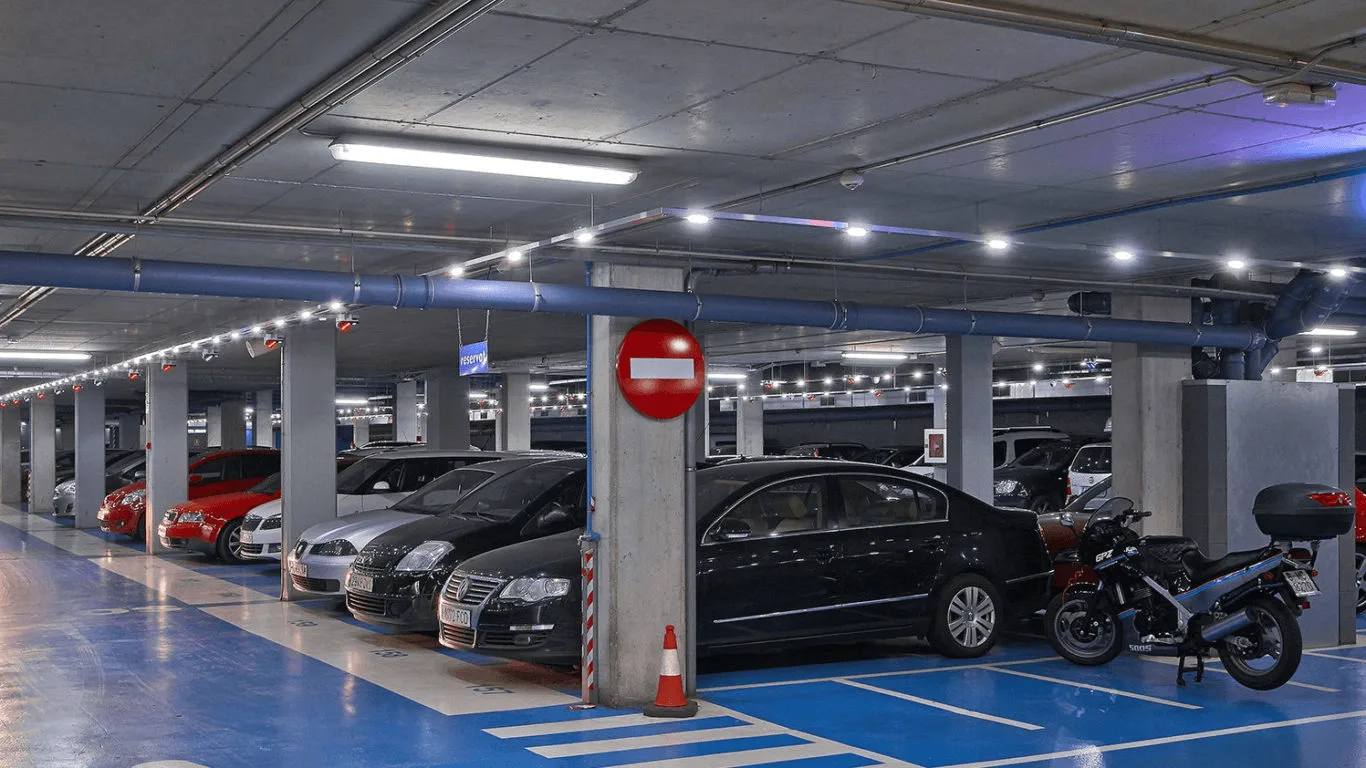
Hotel self-parking is a simple choice where guests park their own cars. Drivers pull up to the lot gate, take a paper slip, and look for an open stall. They keep their keys and walk right inside to check in.
Self-parking reduces staffing costs, gives guests more privacy, and lets them access their car and belongings whenever they need.
Even with these perks, self-parking needs plenty of open land and wide lanes. It also skips the warm greeting at the door, so tired guests must carry heavy bags across the lot in bad weather.
What is Hotel Valet Parking?
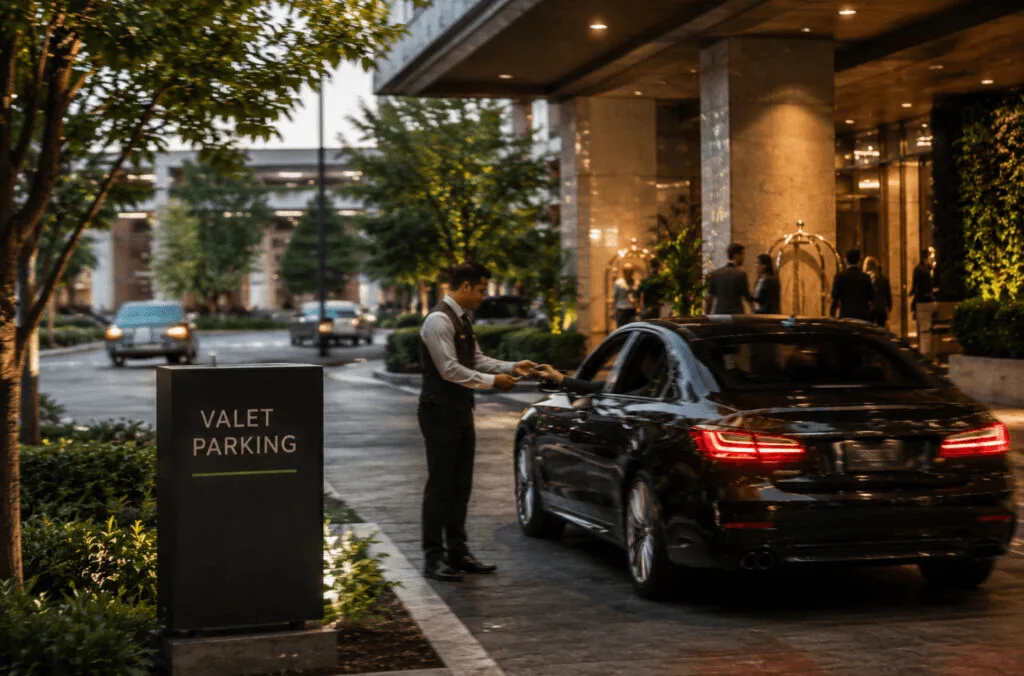
A hotel valet parking setup welcomes guests right at the front door. Drivers pull up to the curb and hand their car keys to an attendant. The attendant gives them a ticket slip and parks the car in a secure back lot.
- It gives guests a premium arrival that makes them feel welcome right away.
- Attendants can park cars close together to fit more vehicles into small lots.
- It lets hotels charge higher hotel parking fees to bring in extra revenue.
Workers need the right tools from a valet parking equipment checklist to keep keys safe and organized. Still, running a valet parking service costs more for payroll and brings a small risk of vehicle scrapes in tight garages.
Valet vs. Self Parking: What is the Difference?
Choosing between valet vs. self parking comes down to your space, your staff, and your guests. Both options keep cars safe, but each model works in a very different way.
The quick table below shows the key differences between both setups:
| Feature | Valet Parking | Self Parking |
|---|---|---|
| Space Needed | Fits more cars in small garages or tight lots | Needs wide driving lanes and open stalls |
| Staff Needs | Needs runners and key box attendants on every shift | Runs on simple gate arms with very few workers |
| Guest Effort | Guests drop keys at the curb and walk inside | Guests find a spot and carry their own luggage |
| Operating Cost | Higher daily payroll and insurance expenses | Lower daily costs once you install gates |
| Wait Time | Guests wait a few minutes for staff to fetch their car | Guests walk straight to their car with no wait |
| Key Safety | Staff store keys inside a locked cabinet | Guests keep their own keys at all times |
Space and Lot Size
Valet parking lets your team stack cars close together in tight areas. Staff can block other vehicles because they hold every key. This setup helps city hotels fit far more cars into small decks or garages.
Self parking needs much more open room to work well. Drivers need wide lanes to turn safely, along with roomy stalls so car doors can swing open. If your property has a small footprint, self-parking will limit how many guests you can host.
Staff and Work Costs
Running a valet service requires a solid crew on every shift. You need fast runners to fetch cars, plus a team leader to watch the key podium. These extra workers raise your daily payroll and insurance costs.
Self-parking runs with very few workers on duty. Most properties use automated gate arms, ticket machines, and clear signs to guide guests. Once you install the gates, your daily labor expenses stay very low.
Guest Comfort
Valet service gives travelers a fast and smooth arrival. Guests drop their keys right at the curb and walk straight into the lobby. This feels wonderful after a long drive or during cold and rainy weather.
Self parking gives guests full control and helps them save cash. Visitors keep their own keys and never have to wait for staff to fetch their vehicle. For families and budget travelers, walking a short distance is an easy way to avoid extra fees.
Hotel Parking Fees and Pricing
Setting the right hotel parking fees takes a smart balance. If you charge too much, guests feel upset and leave bad reviews. If your prices are too low, you lose money that could help run your business.
- Set daily rates: Charge a modest fee for self-parking and a higher fee for valet because workers park the car.
- Pay for upkeep: Use parking fees to pay for lot repairs, bright lights, and your hotel parking management system.
- Match local rates: Look at nearby hotels, street garages, and your room prices so your numbers feel fair.
Check what other properties charge before you set your final prices. A fair rate helps cover your daily expenses and keeps guests happy with their stay.